Maximizing Success in Construction: Strategies for Managing Bonds

Types of Construction Bonds
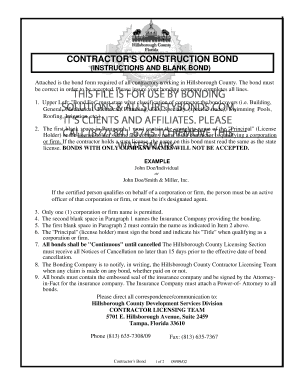
There are several types of construction bonds that contractors should be familiar with when preparing for public works projects. For supporting details, review
construction bond requirements for a useful checklist and notes. The two primary categories are performance bonds and payment bonds. Performance bonds ensure that the contractor will complete the project in accordance with the contract terms, providing peace of mind to project owners. In contrast, payment bonds guarantee that all subcontractors and suppliers will be compensated, preventing potential payment disputes that could arise during the project.
Frequently Asked Questions
What are the main types of construction bonds?
There are primarily three types of construction bonds: performance bonds, payment bonds, and bid bonds. Performance bonds ensure that the contractor meets the contract specifications, while payment bonds guarantee that subcontractors and suppliers are paid. Bid bonds protect project owners if the contractor fails to honor their bid.
How do construction bonds benefit contractors?
Construction bonds enhance a contractor's credibility, provide financial security, and improve relationships with subcontractors and suppliers. They can also facilitate access to better financing options.
How do bonds affect my bidding process?
Bonds play a significant role in the bidding process as many project owners require contractors to provide bonding capacity before considering their bids. Securing bonds can enhance a contractor's credibility and increase their chances of winning contracts.
Additionally, a solid reputation can help contractors compete more effectively in the market. As the construction industry becomes increasingly competitive, having bonds can set a contractor apart from their competitors. This competitive edge can be vital for securing lucrative projects and maintaining a steady stream of work.
Maintaining Relationships with Surety Companies
Once you secure a surety bond, it’s essential to maintain a positive relationship with the surety company. Regular communication and transparency about your projects can foster trust and lead to more favorable terms in future bonding situations. Additionally, delivering on your commitments and completing projects on time can enhance your reputation, making it easier to secure bonds in the future.
Long-Term Financial Benefits
While the initial costs of obtaining construction bonds may seem daunting, the long-term financial benefits can outweigh these expenditures. Having a solid bonding history can enhance a contractor's reputation, making them more attractive to project owners. This can lead to increased opportunities for bidding on larger projects, ultimately boosting a contractor's profitability.
Payment Bonds: Ensuring Fair Compensation
Payment bonds are equally important as they ensure that all subcontractors and suppliers are compensated for their work on a project. Without a payment bond, subcontractors may face significant risks if the principal contractor fails to pay them. This can lead to liens being placed on the property, complicating the project and potentially leading to legal disputes.
Improving Your Creditworthiness
Improving creditworthiness is vital for contractors seeking favorable bond rates. This can be achieved through various strategies, including timely payment of debts, maintaining low credit utilization, and regularly checking credit reports for errors. Contractors should also consider diversifying their portfolio and completing projects on time to build a robust reputation.

Factors Affecting Construction Bond Costs
The cost of construction bonds can vary significantly based on multiple factors. One of the primary considerations is the contractor's credit score. A higher credit score often leads to lower bond premiums, while a lower score can result in higher rates. Additionally, the size and scope of the project play a vital role; larger projects typically carry higher bond costs due to the increased risk involved.
Another challenge is the potential for higher premiums if a contractor has a limited track record or poor credit history. Surety companies assess risk based on past performance and financial stability, so contractors with less experience may face higher costs. It’s crucial for contractors to build a solid reputation in the industry by successfully completing projects and maintaining good relationships with clients and suppliers.

Another alternative to consider is obtaining a co-signer for your bond application. A co-signer, often someone with a strong credit history or established experience in the field, can lend credibility to your application and enhance your chances of approval. This arrangement can also help alleviate some financial burdens, as the co-signer may share in the responsibility of meeting the bond's obligations.

In many jurisdictions, public agencies mandate the inclusion of construction bonds in the bidding process. This requirement aims to protect taxpayers and ensure that public funds are used responsibly. By understanding the legal requirements surrounding construction bonds, contractors can better navigate the bidding landscape and avoid potential pitfalls. It's essential to stay informed about these regulations, as they can vary significantly from one location to another.